
Why Oregon Golden Retrievers Make Perfect Therapy Dogs: Genetic Secrets Revealed
- Green Acres K-9 Resort
- Dec 10, 2025
- 6 min read

When I first started working with Golden Retrievers here in Oregon, I was amazed by how naturally these dogs seemed drawn to helping people. There's something truly special about watching a Golden Retriever sense when someone needs comfort and instinctively move closer to offer their gentle presence. As someone who's spent years working with these incredible dogs, I can tell you that the "genetic secrets" behind their therapy dog success aren't really secrets at all – they're written right into their DNA.
The Golden Retriever Temperament Blueprint
What makes Golden Retrievers such exceptional therapy dogs starts with their fundamental genetic makeup. These dogs were originally bred in Scotland during the 1860s to be the perfect hunting companion – gentle enough to retrieve game birds without damage, intelligent enough to work independently, and loyal enough to stay close to their human partners. Those same traits that made them excellent hunting dogs are exactly what makes them phenomenal therapy dogs today.
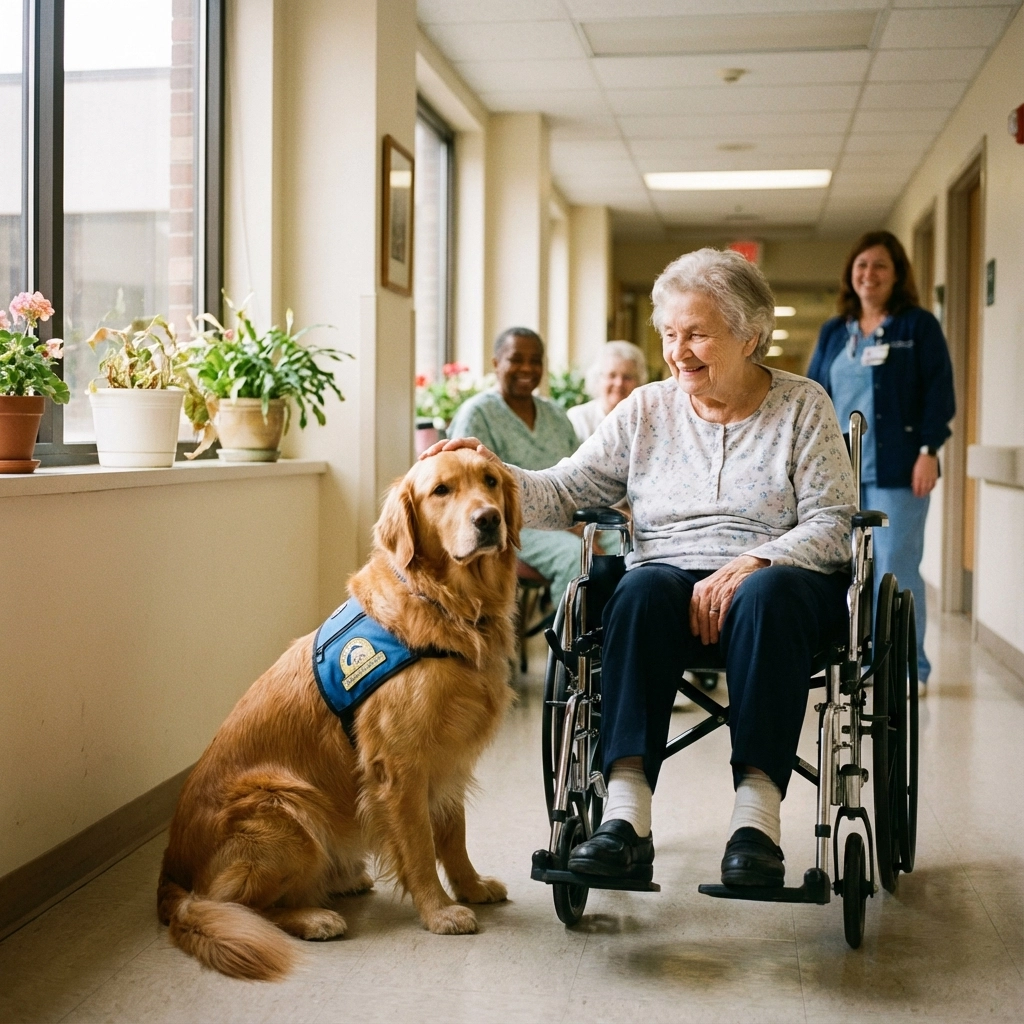
The most remarkable aspect of Golden Retriever genetics is their innate emotional intelligence. I've watched countless Golden Retrievers instinctively lower their energy level when approaching elderly patients, or become extra gentle around children with special needs. This isn't trained behavior – it's hardwired into their genetic code. They possess what I call the "empathy gene," though it's really a combination of traits including high emotional sensitivity, strong pack bonding instincts, and an overwhelming desire to please their humans.
Oregon's Unique Contribution to Therapy Dog Breeding
Here in Oregon, we've developed something special in our Golden Retriever breeding programs. Our state has become a hub for therapy dog production, and there are real reasons why Oregon-bred Golden Retrievers are making such an impact in therapy work across the country.
Oregon breeders like ourselves have focused intensely on what we call "therapeutic temperament selection." We don't just breed for appearance or basic health – we specifically select parent dogs who demonstrate exceptional calmness, intuitive human connection, and stress resilience. When I evaluate potential breeding pairs, I'm looking for dogs who can remain composed in chaotic environments, who seek out human interaction rather than avoid it, and who show natural protective instincts without aggression.
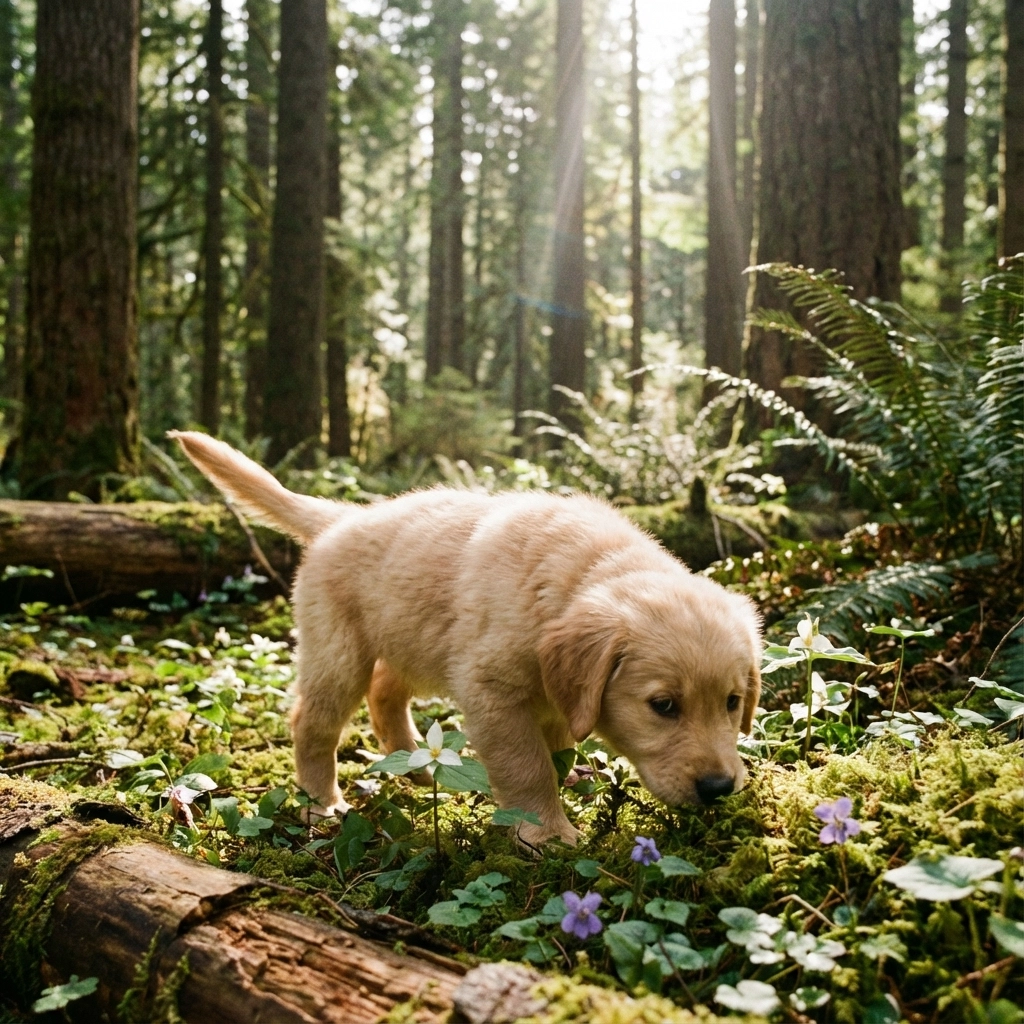
The climate and lifestyle here in Oregon also play a role in developing well-rounded therapy dog candidates. Our puppies grow up experiencing varied weather conditions, diverse social situations, and the kind of active outdoor lifestyle that builds confidence and adaptability. A Golden Retriever puppy who's comfortable hiking forest trails with their family is more likely to feel at ease navigating hospital corridors or nursing home halls.
The Science Behind Therapy Dog Genetics
Let me share what we've learned about the specific genetic traits that make Golden Retrievers so successful in therapy work. First, there's their incredibly stable stress response system. While many dog breeds become anxious or overstimulated in high-stress environments like hospitals or crisis situations, Golden Retrievers possess a genetic predisposition for what researchers call "stress buffering." Their cortisol levels remain remarkably stable even in emotionally charged situations.
Second, Golden Retrievers have been bred for generations to have what geneticists call "neoteny" – they retain many puppy-like characteristics throughout their adult lives. This includes their soft facial features, playful demeanor, and that irresistible tendency to lean into people for comfort. These traits trigger positive emotional responses in humans, making Golden Retrievers naturally therapeutic simply by being themselves.
The breed also carries genes that promote high serotonin production, which contributes to their characteristically happy, optimistic disposition. When you combine naturally high serotonin with their strong oxytocin response (the "bonding hormone" that surges when they interact with humans), you get a dog who genuinely feels good when making others feel good.
Real-World Success Stories from Oregon
The proof of Oregon Golden Retrievers' therapy dog excellence is in their real-world performance. I've had the privilege of placing dogs who've gone on to incredible careers in therapy work. One of our puppies, now named Luna, works at Oregon Health & Science University where she helps comfort families during difficult medical procedures. Her handler tells me that Luna has an uncanny ability to sense which family members need her attention most and will quietly position herself next to them.

Another success story is Max, who works with a physical therapy clinic in Portland. Max was specifically selected from one of our litters because he showed exceptional patience and gentleness even as a young puppy. Today, he helps stroke patients regain their motor skills by encouraging them to pet him, brush him, and practice coordination exercises. His calm presence reduces patient anxiety and actually improves their therapy outcomes.
We've also placed Golden Retrievers in school settings where they help children with reading difficulties. These dogs seem to understand that their job is simply to listen without judgment, creating a safe space where struggling readers can practice without fear of criticism.
Training the Natural Instincts
While genetics provide the foundation, proper training brings out the full therapy dog potential in Golden Retrievers. The beauty of working with this breed is that you're not fighting against their natural instincts – you're simply refining and directing them.
Starting from eight weeks old, our puppies begin socialization training that exposes them to the sights, sounds, and situations they might encounter in therapy work. We introduce them to wheelchairs, medical equipment, unusual clothing, and people of all ages and physical abilities. Golden Retrievers typically adapt to these experiences with remarkable ease because their genetic programming tells them that new experiences with humans are generally positive.
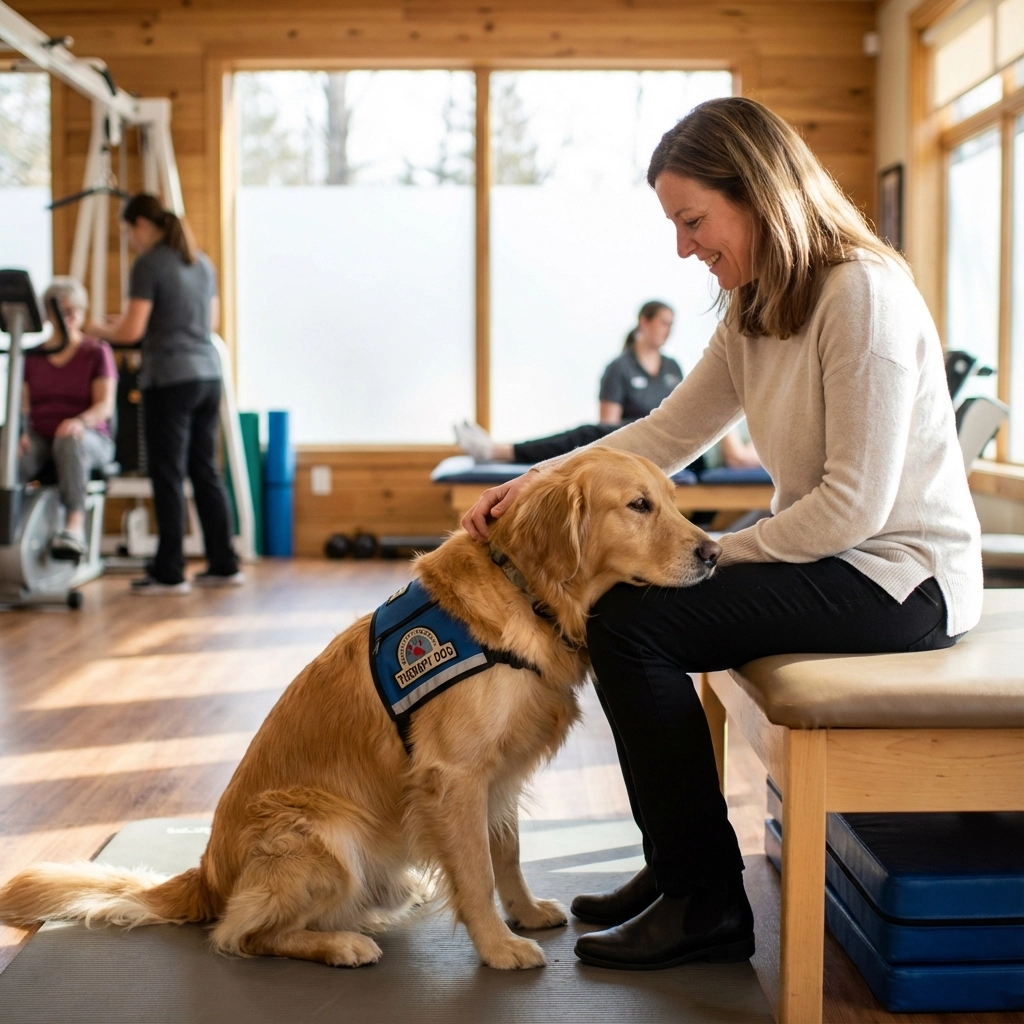
The key training areas we focus on include impulse control (essential when working around medical equipment), stress signals recognition (so handlers know when their dog needs a break), and what we call "selective attention" – the ability to focus on one person's needs while ignoring distractions around them.
Selecting Your Future Therapy Dog
If you're considering a Golden Retriever for therapy work, there are specific genetic indicators to look for even in young puppies. When I evaluate puppies for therapy potential, I watch for several key behaviors. The ideal therapy dog candidate will approach new people confidently but calmly, show interest in human faces and voices over toys or other distractions, and demonstrate what we call "emotional contagion" – they'll pick up on and respond appropriately to human emotional states.
Physical characteristics matter too. Look for puppies with soft, relaxed facial expressions, ears that are neither overly erect (which can indicate high alertness/anxiety) nor completely droopy. The ideal therapy dog has moderately sized, expressive eyes that make direct but non-threatening eye contact with humans.
The Oregon Advantage
What sets Oregon Golden Retriever breeders apart is our commitment to the complete therapy dog package. We don't just focus on producing beautiful dogs – we're actively working to create the next generation of four-legged healers. Our breeding program tracks not just hip and elbow scores, but also temperament assessments, stress resilience testing, and long-term therapy work success rates.

The environment here in Oregon provides unique advantages for developing therapy dogs. Our diverse communities mean puppies are exposed to people of all backgrounds from an early age. Our outdoor lifestyle builds confidence and physical fitness. And our strong culture of community service means that therapy dog work is valued and supported throughout the state.
Looking Forward
As we continue to learn more about the genetics behind exceptional therapy dogs, I'm excited about the future of Golden Retriever breeding. We're beginning to understand how specific gene combinations influence traits like emotional sensitivity, stress resilience, and human bonding capacity. This knowledge allows us to make even more informed breeding decisions, potentially producing Golden Retrievers who are even better suited for therapy work.
The "genetic secrets" of Oregon Golden Retrievers aren't really secrets at all – they're the result of careful breeding, proper socialization, and a deep understanding of what makes these incredible dogs tick. When you combine the Golden Retriever's natural therapeutic instincts with Oregon's commitment to excellence in breeding and training, you get dogs who don't just provide therapy – they transform lives.
Whether you're looking for a therapy dog partner or simply want to understand why Golden Retrievers excel in this role, remember that genetics provide the foundation, but love, training, and proper placement create the magic. That's the real secret behind Oregon's therapy dog success.