
Building Braver Puppies: The Science of Early Neurological Stimulation
- Green Acres K-9 Resort
- Feb 1
- 6 min read

If you've ever wondered why some Golden Retriever puppies seem naturally calm and confident while others struggle with stress, I've got fascinating news for you. The answer might just lie in what happens during their first two weeks of life: long before they open their eyes or take their first wobbly steps.
At NextGen Goldens here in Boring, Oregon, we implement a scientifically-backed program called Early Neurological Stimulation (ENS), also known as the Bio Sensor program. It sounds intense, but it's actually one of the gentlest: and most powerful: tools we have for raising Golden Retriever puppies in Portland, Oregon, who are exceptionally well-suited for therapy work, family companionship, and everything in between.
What Exactly Is Early Neurological Stimulation?
Early Neurological Stimulation is a method developed by the U.S. Military's canine program between 1968 and 1974. The goal? Create "super dogs" with enhanced stress resistance, stronger cardiovascular systems, and better problem-solving abilities. And here's the remarkable part: it only requires five simple exercises performed once daily for just 3-5 seconds each, between days 3 and 16 of a puppy's life.
I know what you're thinking: how can something so brief make such a difference? The answer lies in neuroplasticity, which is the brain's incredible ability to form new neural connections in response to experience. During those critical early days, a puppy's nervous system is exceptionally receptive to input. By introducing mild, controlled stressors during this window, we're essentially teaching their brains to develop enhanced coping mechanisms for challenges they'll encounter throughout their lives.

The Five Bio Sensor Exercises: Simple but Powerful
Let me walk you through exactly what we do with each of our health tested Golden Retriever puppies in Oregon during those precious early days:
Tactile Stimulation: We gently stimulate the puppy between the toes on one paw using a cotton swab. It's such a minor sensation, but it activates their neurological system in meaningful ways.
Head Held Erect: The puppy is held perpendicular to the ground with their head directly above their tail. Think of it as a gentle vertical orientation that they wouldn't naturally experience while nursing.
Head Pointed Down: We reverse the position, holding the puppy so their head points toward the ground. Again, it's a mild positional change that provides novel sensory input.
Supine Position: The puppy is cradled on their back in our palms, muzzle facing upward. This vulnerable position activates different neural pathways than they experience during normal rest.
Thermal Stimulation: We place the puppy on a cool, damp towel for just a few seconds. The mild temperature change provides another form of gentle stress that stimulates their system.
Each exercise lasts only 3-5 seconds. We're not trying to overwhelm these tiny puppies: quite the opposite! The key is controlled, predictable, mild stress that gives their developing nervous systems a chance to practice responding and recovering.
The Science Behind the Magic
The research on ENS is fascinating, even if the evidence specific to dogs is still evolving. Studies conducted on other mammals: including rats, mice, primates, cats, and pigs: have demonstrated some remarkable benefits that we believe translate to our Golden Retriever puppies.
Animals exposed to early mild stressors showed decreased levels of corticosterone (a primary stress hormone) when faced with challenging situations later in life. Even more impressive, their stress hormones returned to baseline levels more quickly after a stressful event. In practical terms? These animals literally handled stress better throughout their entire lives because of what happened in their first few weeks.
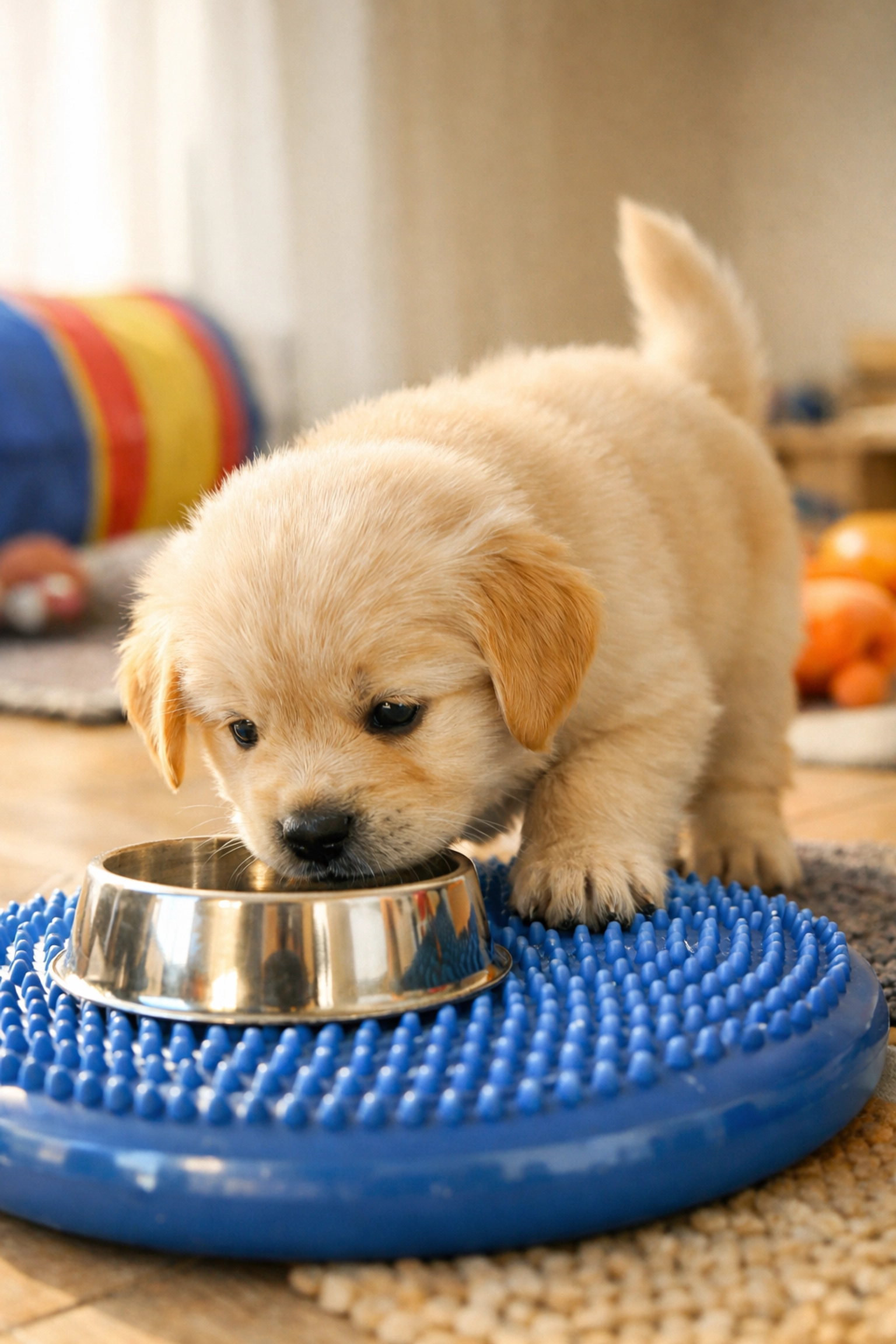
The cardiovascular benefits are equally compelling. ENS-exposed animals demonstrated improved heart function and stronger cardiovascular performance overall. For Golden Retrievers: a breed we love partly because of their athletic ability and endurance: this foundation of cardiovascular health is invaluable.
Research has also shown enhanced exploratory behavior, improved learning ability, and greater resistance to disease in ENS-exposed animals. Additionally, these animals showed increased tolerance to capture and handling, which is particularly relevant for puppies destined for therapy work or service roles.
But Does It Really Work in Dogs?
I believe in being transparent with you about the science. While the evidence from other species is strong, the research specifically on dogs shows more mixed results. An early study found that handled puppies were indeed more exploratory and better at problem-solving: but they also vocalized more when stressed, which might indicate heightened emotional responses rather than purely beneficial effects.
More recent research suggests that the differences between ENS puppies and control puppies might not emerge until they're 10-12 months old, which makes sense when you consider how long-term neurological development works. Some studies have found no significant differences in physical health metrics between groups.
Here's what I find particularly interesting: researchers hypothesize that ENS effects may be more noticeable in puppies raised in barren environments compared to enriched ones. At NextGen Goldens, we provide extensive socialization and environmental enrichment beyond just ENS, so we're stacking beneficial experiences to give our socialized Golden Retriever puppies every advantage.
What We've Observed in Our Portland-Area Goldens
While controlled scientific studies continue, I can share what we've consistently observed in our own breeding program here in Oregon. Our calm temperament Golden Retrievers who've gone through the ENS protocol tend to adapt more smoothly to new environments. When puppy families bring them home, they report fewer anxiety-related behaviors during the critical adjustment period.
We've also noticed that our ENS puppies seem more confident during early training sessions. They approach new objects with curiosity rather than fear, and they recover quickly from minor surprises like unexpected sounds or sudden movements. For families in the Pacific Northwest who want to include their Golden Retrievers in outdoor adventures: hiking, camping, water sports: this confident temperament makes all the difference.
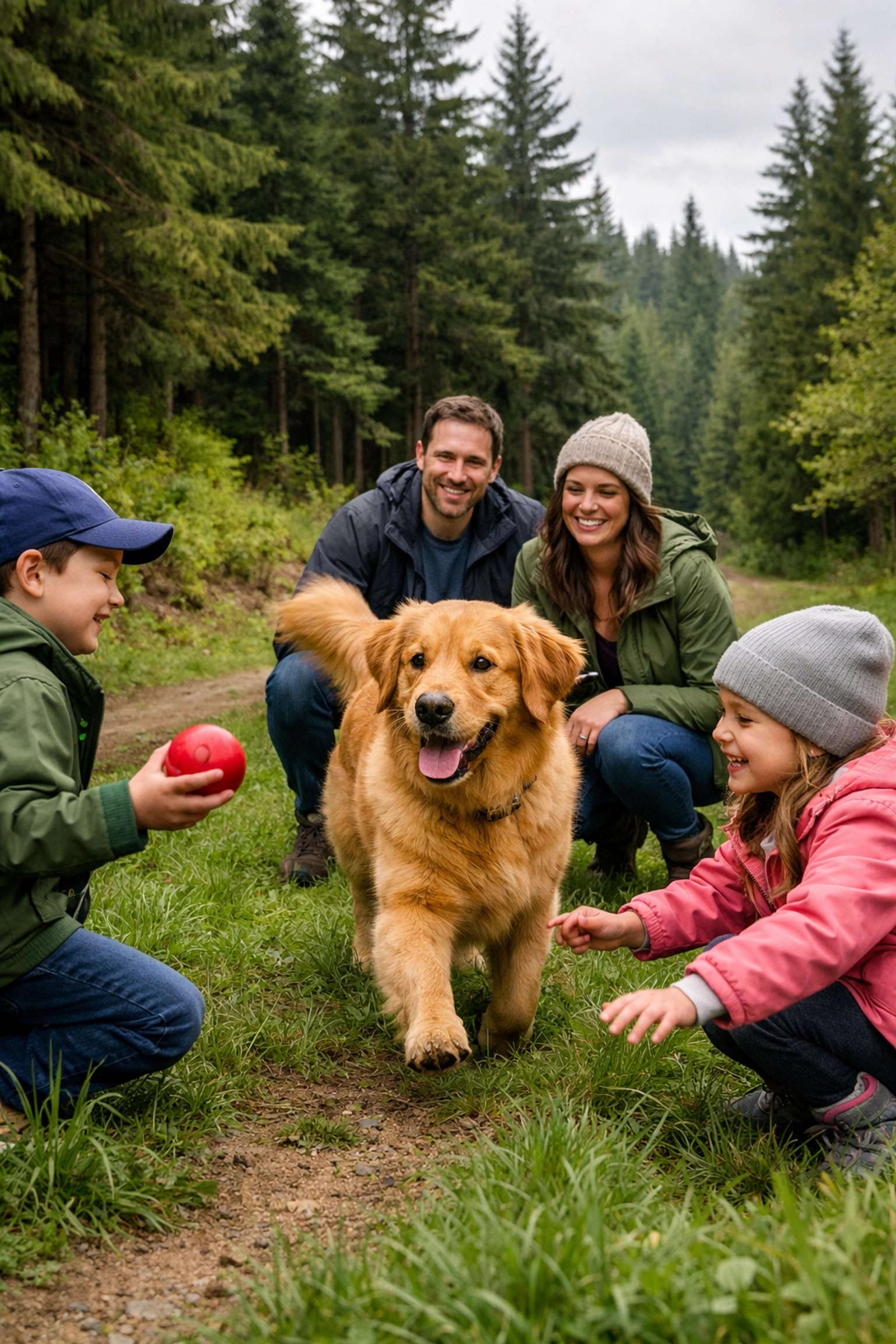
The therapy work connection is particularly meaningful to us. Therapy dogs need to remain calm and emotionally regulated in unpredictable environments: hospitals, schools, nursing homes. They encounter wheelchairs, medical equipment, crowds, and people who may move or sound different than what they're used to. The stress resilience we're building through ENS, combined with our comprehensive socialization program, creates a solid foundation for this important work.
Beyond ENS: Our Complete Approach
I want to be clear that we don't rely on ENS alone to produce exceptional Golden Retriever puppies. It's one component of a comprehensive approach that includes health testing both parents for hip dysplasia, elbow dysplasia, heart conditions, and eye disorders. We carefully select breeding pairs for temperament, not just physical characteristics.
From birth through the time puppies go home, we provide rich sensory experiences, appropriate socialization with people and other dogs, and exposure to various surfaces, sounds, and situations. ENS gives them a neurological head start, but the ongoing enrichment builds on that foundation.
If you're looking for a Golden Retriever breeder in Oregon who prioritizes both science-based practices and genuine care for each puppy's development, we'd love to talk with you about our approach. You can learn more about our program and see how we're raising the next generation of exceptional Golden Retrievers right here in the Pacific Northwest.
The Bottom Line
Early Neurological Stimulation represents our commitment to giving every puppy the best possible start in life. While the canine-specific research continues to evolve, the underlying principles of neuroplasticity and stress inoculation are well-established across species. Combined with health testing, careful breeding selection, and comprehensive socialization, ENS is part of our promise to you: Golden Retriever puppies in Portland, Oregon, who are physically sound, emotionally resilient, and ready to become beloved family members or working therapy dogs.
Those first 16 days of life are fleeting, but their impact lasts a lifetime. And that's something worth celebrating.
References
Battaglia, C. L. (2009). "Periods of Early Development and the Effects of Stimulation and Social Experiences in the Canine." Journal of Veterinary Behavior, 4(5), 203-210.
Gazzano, A., Mariti, C., Notari, L., Sighieri, C., & McBride, E. A. (2008). "Effects of early gentling and early environment on emotional development of puppies." Applied Animal Behaviour Science, 110(3-4), 294-304.
Tees, R. C., Buhrmann, K., & Hanley, J. (1990). "The effect of early experience on water temperature and swimming speed in rats." Developmental Psychobiology, 23(4), 301-311.
Denenberg, V. H. (1964). "Critical periods, stimulus input, and emotional reactivity: A theory of infantile stimulation." Psychological Review, 71(5), 335-351.
Fox, M. W., & Stelzner, D. (1966). "Behavioural effects of differential early experience in the dog." Animal Behaviour, 14(2-3), 273-281.