
The Science of Healthy Hips: Why OFA and Genetic Testing Matter for Your Puppy's Future
- Green Acres K-9 Resort
- Jan 21
- 5 min read

When you're searching for a new Golden Retriever puppy to join your family, it's easy to get swept up in those adorable fluffy faces and wagging tails. Trust me, I get it! But here's something I've learned over the years working with these incredible dogs: what's happening on the inside matters just as much as those gorgeous golden coats on the outside.
If you've been researching health tested Golden Retriever puppies in Oregon, you've probably come across terms like "OFA certified" and "genetic testing." These might sound like technical jargon, but understanding what they mean could be the difference between decades of joy with a healthy companion and heartbreaking veterinary bills down the road.
Let me walk you through the science behind these health screenings, and why we at NextGen Goldens consider them absolutely non-negotiable for every single breeding dog in our program.
Understanding Hip Dysplasia: The Hidden Challenge
Hip dysplasia is one of those conditions that keeps responsible breeders up at night. It's a degenerative joint disease that affects the hip joints, and when left untreated, it can severely impact your dog's mobility and quality of life. Imagine watching your once-playful pup struggle to climb stairs or hesitate before jumping into the car. It's heartbreaking.
Here's the thing that researchers discovered back in the 1960s that changed everything: hip dysplasia isn't random. Dogs from the same breed developed similar hip issues that could be traced through their lineage. This wasn't bad luck, it was genetics being passed down from generation to generation.
This groundbreaking discovery led to the establishment of the Orthopedic Foundation for Animals (OFA) in 1966, specifically designed to track and reduce hip dysplasia in dogs. And thank goodness for that!
How OFA Testing Actually Works
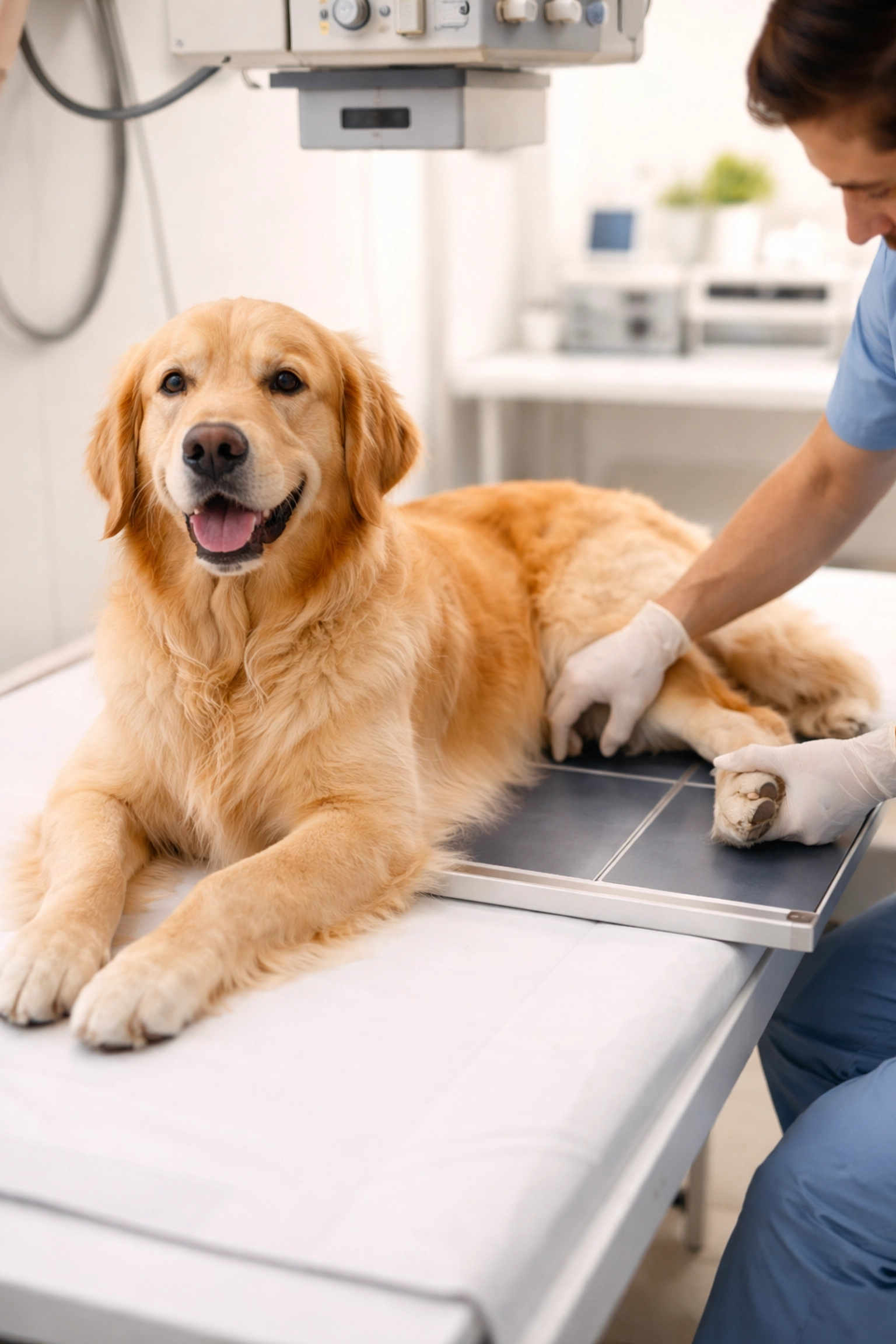
So what happens when a dog goes through OFA evaluation? It's actually a pretty fascinating process, and one that gives us incredibly valuable information about a dog's skeletal health.
The evaluation involves submitting X-rays of the hips and elbows to board-certified veterinary radiologists for review and certification. These aren't just quick snapshots, they follow strict American Veterinary Medical Association guidelines for proper radiographic positioning to ensure accuracy.
After review, the OFA classifies hip results into seven categories:
Excellent, Good, and Fair – These are all within normal limits and receive official OFA numbers
Borderline – Not quite normal but not definitively dysplastic
Mild, Moderate, and Severely Dysplastic – Various degrees of hip dysplasia present
Timing is crucial here. OFA guidelines recommend hip and elbow screenings at 2 years of age or older. Why wait so long? Because a dog's skeletal system is still developing before that point, and earlier results might not give us the full picture. While preliminary screenings can be performed on younger dogs, they don't receive an official OFA registration number until the dog reaches the appropriate age and testing is repeated.
When you're looking for OFA tested Golden Retriever breeders, you want to see those official numbers, not just promises that testing was done.
Beyond Hips: The Power of Genetic Testing
While OFA testing gives us incredible insight into structural health, genetic testing opens up a whole different window into your puppy's future. Through DNA testing, we can identify whether a dog carries genes for various inherited conditions, often before any symptoms ever appear.
For Golden Retrievers specifically, there are two genetic conditions we pay special attention to at NextGen Goldens:
Ichthyosis (ICH)
This is a skin condition that causes flaky, scaly skin and can range from mild to quite uncomfortable for affected dogs. It's inherited in an autosomal recessive pattern, meaning a puppy needs to inherit the gene from both parents to be affected. By testing our breeding dogs, we can ensure we never produce puppies who will suffer from this condition.
Progressive Retinal Atrophy (PRA)
PRA is a group of degenerative eye diseases that can eventually lead to blindness. Again, this is genetically inherited, and through proper testing, we can identify carriers and make smart breeding decisions to prevent it from showing up in our puppies.

The beauty of genetic testing is that it's predictive. We're not waiting for problems to develop, we're getting ahead of them. A dog receives a score based on probability due to past genetics, and if the dog's parents went through OFA certification, that information helps generate even more accurate results.
Why Early Detection Changes Everything
Here's where the science gets really exciting. Early detection through OFA and genetic testing enables personalized treatment plans tailored to each pet's specific needs. For puppies identified with hip dysplasia risk, veterinarians can actually perform surgery on young dogs to treat hip joints early and reduce problems down the road.
Treatment options like complete hip replacement or triple pelvic osteotomy, when performed while a dog is young, can prevent the common hip problems that plague older dogs. That's not just extending life, it's extending quality of life.
But here's the best part: when breeders use this testing properly, we can prevent these issues from being passed on in the first place. The main goal of OFA certification isn't just to help treat individual dogs, it's to prevent future breeding of painful genetic diseases altogether.
How NextGen Goldens Uses Health Testing
At our breeding program here in Boring, Oregon, we don't view health testing as optional or as a marketing gimmick. It's the foundation of everything we do when producing healthy Golden Retriever puppies in Oregon.
Every single one of our breeding dogs undergoes:
Complete OFA hip and elbow evaluations at the appropriate age
Genetic screening for Ichthyosis and PRA
Cardiac evaluations to screen for heart conditions
Eye certifications through qualified veterinary ophthalmologists
We maintain complete transparency about our dogs' health testing results. When you're looking at genetic tested Golden Retriever puppies, you deserve to see the actual documentation, not just a breeder's word.
This comprehensive approach is especially important for our therapy-ready dogs. When we're placing a Golden Retriever with a family who needs a reliable therapy companion, we need to know that dog will be physically capable of that work for years to come. Hip dysplasia in a therapy dog isn't just inconvenient, it could end their ability to provide the comfort and support their family depends on.
What This Means for You as a Puppy Buyer
If you're searching for a Golden Retriever puppy in the Pacific Northwest, here's my honest advice: don't be shy about asking breeders for health testing documentation. A responsible breeder will be happy, even excited, to share this information with you.
Ask specifically:
Are both parents OFA certified for hips and elbows?
What were their actual scores (Excellent, Good, Fair)?
Has genetic testing been done for breed-specific conditions?
Can you see the official documentation?
When you find a breeder who prioritizes health testing, you're not just buying a puppy. You're investing in years of adventures, snuggles, and memories with a dog who has the best possible chance at a long, healthy, active life.

Your Journey Starts Here
Bringing home a Golden Retriever puppy is one of life's greatest joys. These dogs bring so much love, laughter, and golden fur into our lives! By choosing a puppy from health-tested parents, you're setting the stage for the healthiest, happiest journey possible.
At NextGen Goldens, we're always happy to discuss our health testing protocols and show you exactly what goes into producing our puppies. Feel free to reach out with any questions, we love talking about this stuff!
Here's to healthy hips and happy tails! 🐾
References