
The Socialization Window: Why the First 12 Weeks Define a Therapy Dog
- Green Acres K-9 Resort
- Feb 17
- 6 min read

As a breeder of English Cream Golden Retriever puppies here in Oregon, I've learned that the magic of raising exceptional therapy dogs doesn't begin when a puppy goes home at eight weeks: it starts from the moment they're born. The first twelve weeks of a puppy's life represent the most critical window for shaping their future temperament, confidence, and ability to serve as a therapy companion. This isn't just my observation; it's backed by decades of behavioral science research that has transformed how responsible breeders approach puppy development.
If you're searching for Golden Retriever puppies in Portland, Oregon, or anywhere in the Pacific Northwest, understanding this socialization window will help you recognize what separates a well-prepared therapy prospect from a puppy that simply looks the part.
The Science Behind the Socialization Window
Between approximately three and sixteen weeks of age, puppies experience what behavioral scientists call the "critical socialization period." During these weeks, a puppy's brain is essentially a sponge: rapidly developing neural pathways that will influence how they respond to the world for the rest of their lives. Research published in veterinary behavioral journals consistently demonstrates that this early developmental stage is when puppies are most receptive to new experiences and form lasting associations about whether the world is safe or scary.
The most intensive phase occurs between eight and twelve weeks: right when most puppies transition to their new homes. During this time, their brains are actively categorizing experiences: Is this person safe? Is this sound frightening? Can I trust this environment? These early impressions become deeply embedded in their psychological framework.

What makes this period so powerful is the concept of neuroplasticity: the brain's ability to form and reorganize connections. While dogs continue learning throughout their lives, they'll never again be as open and adaptable as they are during these first weeks. It's somewhat like learning a language: children absorb new languages effortlessly, while adults must work considerably harder for the same results.
Why This Window Defines Therapy Dog Potential
Here at NextGen Goldens, we specifically breed and raise English Cream Golden Retrievers with therapy work in mind. The difference between a good family pet and an exceptional therapy dog often comes down to what happens during this socialization window.
Therapy dogs must remain calm and confident in unpredictable environments: hospitals with beeping machines, schools with excitable children, nursing homes with wheelchairs and walkers. They need to gracefully handle being touched by strangers, navigate unusual surfaces, and maintain composure around medical equipment. These aren't skills you can effectively teach an adult dog who missed early socialization; they're foundational traits built during those critical weeks.
Research in canine behavior shows that puppies who receive inadequate socialization often develop what's called "neophobia": a fear of anything new or unfamiliar. A dog with neophobia might be perfectly comfortable at home but become anxious or reactive in novel situations. For a therapy dog, this simply doesn't work. They must be the calm in any storm, the steady presence that brings comfort rather than requiring reassurance themselves.
What We Do During the Critical Window
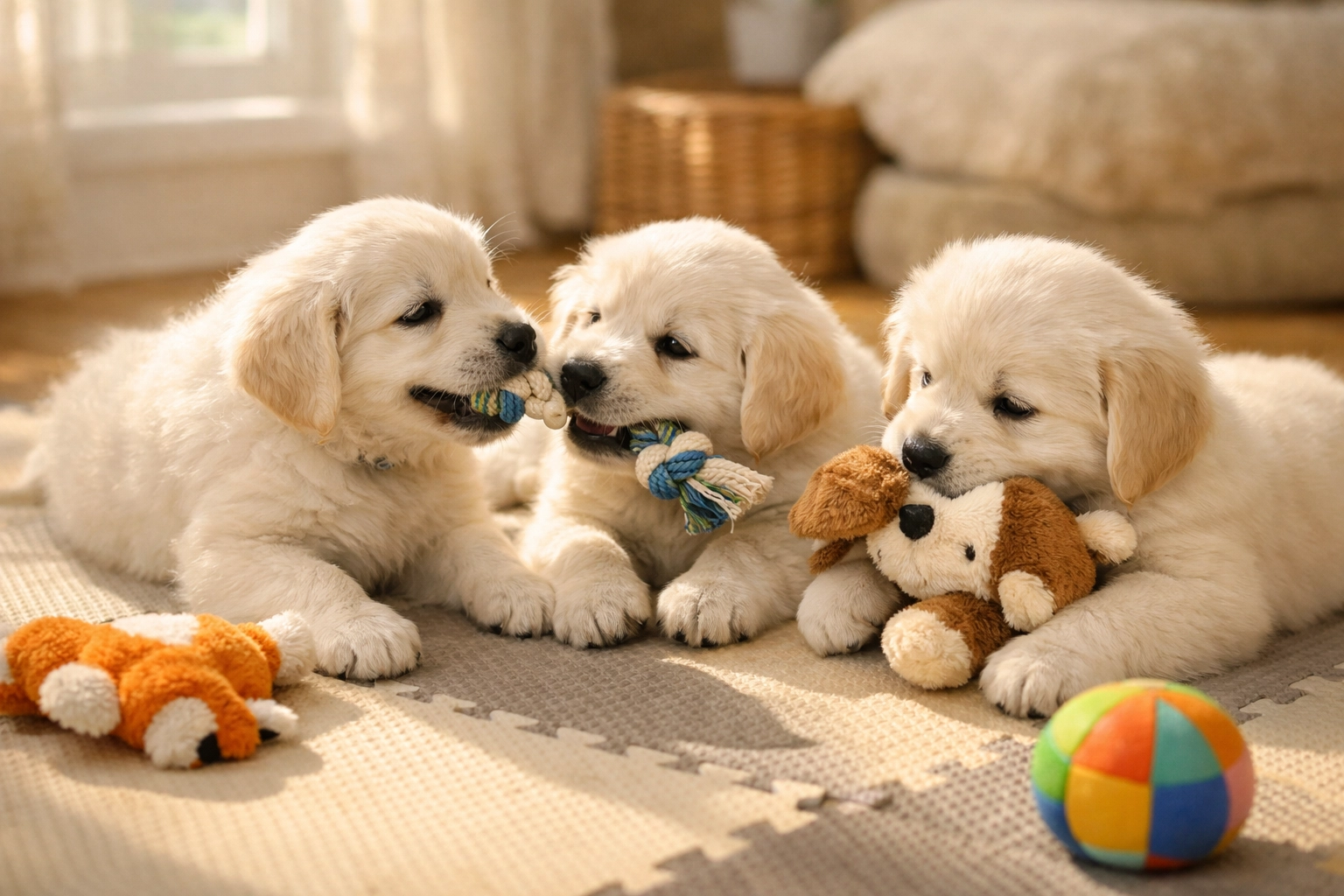
At NextGen Goldens, our socialization protocol begins before puppies even open their eyes. From days three through sixteen, we implement Early Neurological Stimulation (ENS): a series of gentle handling exercises proven to improve stress tolerance and cardiovascular performance throughout a dog's life. This sets the foundation for resilience.
As the puppies develop, we deliberately expose them to an ever-expanding world of stimuli. By four weeks, they're encountering different textures under their paws: grass, tile, carpet, wood. They hear household sounds: vacuum cleaners, doorbells, television, kitchen appliances. We introduce them to people of different ages, genders, and appearances. Each positive exposure builds confidence.
Between six and eight weeks: while puppies are still with us: we ramp up the complexity. Our puppies meet children, encounter friendly adult dogs, experience car rides, and explore various environments. We handle their paws, ears, and mouths to prepare them for grooming and veterinary care. They learn that strangers are friends they haven't met yet, not threats to avoid.
This isn't random exposure; it's carefully planned positive conditioning. Each new experience is paired with something pleasant: treats, praise, play, or cuddles. We're teaching their brains that novelty equals opportunity, not danger.

The Home Stretch: Weeks Eight Through Twelve
When our Golden Retriever puppies go to their new families in Portland, Oregon and throughout the Pacific Northwest, they're entering the final and arguably most critical phase of the socialization window. This is when new owners become partners in the socialization process.
I always tell families that these four weeks are pure gold: you'll never have a better opportunity to shape your puppy's temperament. The goal isn't to overwhelm them, but to thoughtfully expose them to the world they'll navigate as an adult. Take them to pet-friendly stores. Invite friends over. Let them meet dogs you know are friendly and vaccinated. Introduce them to bicycles, skateboards, and strollers.
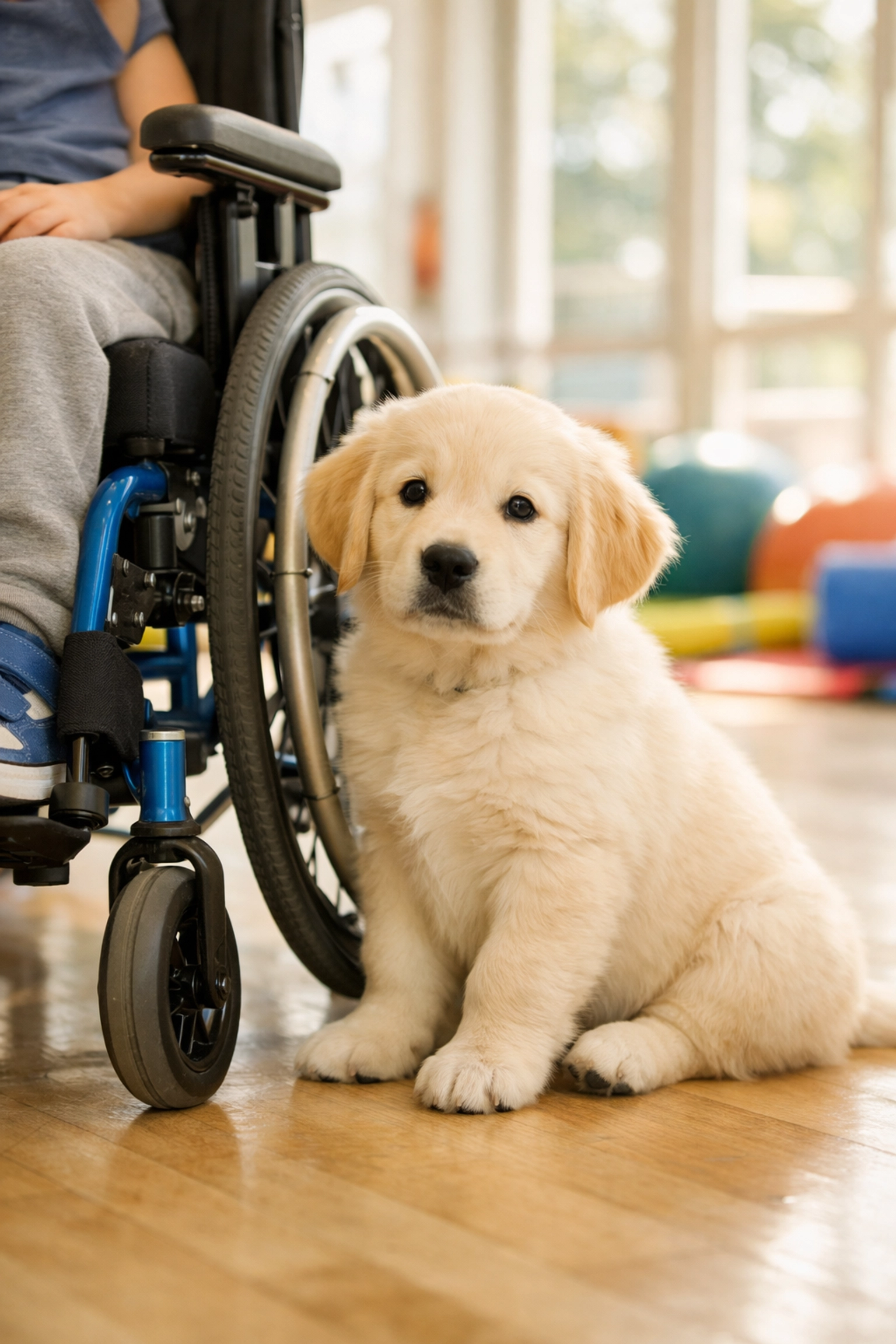
For families specifically interested in therapy work, this is when you can start acclimating puppies to the environments they'll eventually serve in. Many hospitals and facilities allow supervised puppy visits before formal therapy certification. Expose them to wheelchairs, crutches, and people wearing hats or uniforms. The more positive associations they build now, the more confident they'll be later.
Beyond Exposure: The Quality of Socialization Matters
Here's something critical that many people miss: it's not just about checking boxes on a socialization checklist. The quality of each experience matters more than the quantity. A single frightening encounter during this window can create lasting fear responses, while dozens of positive experiences build unshakeable confidence.
This is why I emphasize choosing an Oregon Golden Retriever breeder who understands behavioral development, not just genetics. At NextGen Goldens, we're as invested in neurological health as we are in physical health screening. Both matter equally when raising therapy dog prospects.
When you bring a puppy home, your job is to be their advocate and guide. Read their body language. If they seem overwhelmed, take a step back. If they're curious and engaged, encourage exploration. Always end socialization sessions on a positive note: before your puppy becomes tired or stressed.
The Long-Term Payoff
The investment you make during these twelve weeks pays dividends for the next twelve to fifteen years. Puppies who receive proper early socialization consistently demonstrate lower anxiety levels, better stress tolerance, and more stable temperaments throughout their lives. They're the dogs who gracefully handle unexpected situations, welcome strangers with wagging tails, and remain composed when life throws curveballs.
For therapy work specifically, this early foundation is non-negotiable. Organizations that certify therapy dogs uniformly require dogs who are confident, stable, and comfortable in diverse environments. You simply cannot train an adult dog to have these qualities if the neurological foundation wasn't laid during puppyhood.
This is why families searching for Golden Retriever puppies in Portland, Oregon should prioritize breeders who take socialization seriously. Ask potential breeders specific questions: What does your socialization protocol look like? How do you expose puppies to novel stimuli? What support do you provide families during weeks eight through twelve?
Building Tomorrow's Therapy Dogs Today
Every puppy that leaves NextGen Goldens carries with them the careful work of those first eight weeks: and the potential shaped by what happens next. The socialization window is brief, but its impact is permanent. Whether your English Cream Golden Retriever puppy becomes a certified therapy dog visiting hospitals, a emotional support companion, or simply an exceptionally well-adjusted family member, those early weeks will have shaped their journey.
Understanding this critical period empowers you as a puppy owner. It transforms puppy raising from simply keeping a young dog fed and safe into actively sculpting the confident, resilient companion they're meant to become. And for those of us dedicated to producing therapy dog prospects, it represents both our greatest responsibility and our most powerful tool.
The socialization window closes quickly, but its effects last a lifetime. That's the science: and the magic: of those first twelve weeks.
Bibliography
American Veterinary Society of Animal Behavior. (2008). AVSAB Position Statement on Puppy Socialization. Journal of Veterinary Behavior, 3(3), 99-100.
Battaglia, C. L. (2009). Periods of Early Development and the Effects of Stimulation and Social Experiences in the Canine. Journal of Veterinary Behavior, 4(5), 203-210.
Freedman, D. G., King, J. A., & Elliot, O. (1961). Critical Period in the Social Development of Dogs. Science, 133(3457), 1016-1017.
Overall, K. L. (2013). Manual of Clinical Behavioral Medicine for Dogs and Cats. Elsevier Health Sciences.
Scott, J. P., & Fuller, J. L. (1965). Genetics and the Social Behavior of the Dog. University of Chicago Press.
Serpell, J., & Jagoe, J. A. (1995). Early Experience and the Development of Behaviour. In J. Serpell (Ed.), The Domestic Dog: Its Evolution, Behaviour and Interactions with People (pp. 79-102). Cambridge University Press.
Appleby, D. L., Bradshaw, J. W., & Casey, R. A. (2002). Relationship Between Aggressive and Avoidance Behaviour by Dogs and Their Experience in the First Six Months of Life. Veterinary Record, 150(14), 434-438.