
The Science of Serenity: Why Genetics Matter for Therapy Goldens
- Green Acres K-9 Resort
- Feb 14
- 5 min read

Have you ever wondered why some Golden Retrievers seem to have an almost supernatural ability to sense when you need comfort? As someone deeply passionate about breeding therapy and emotional support dogs here in Oregon, I can tell you there's fascinating science behind that intuitive gentleness: and it starts long before a puppy is even born.
The truth is, that serene temperament you see in an exceptional therapy Golden isn't just the result of good training or a loving environment (though those matter tremendously). It's literally written into their DNA. And understanding this genetic blueprint is revolutionizing how we approach breeding Golden Retrievers specifically for therapeutic roles.
The Genetic Foundation of Empathy
Recent breakthrough research from the University of Cambridge has uncovered something remarkable: Golden Retrievers possess specific genetic mutations that enhance their production of oxytocin: often called the "love hormone" or "bonding hormone." This isn't just interesting trivia; it's the biological foundation for why these dogs excel at reading human emotions and responding with such sensitivity.

When oxytocin levels are elevated, dogs become naturally more attuned to human emotional cues. They can pick up on subtle changes in body language, tone of voice, and even chemical signals that indicate stress or sadness. This is why a well-bred therapy Golden seems to "just know" when someone needs them: they're genetically programmed to be emotionally responsive.
But here's where it gets even more fascinating: scientists have identified twelve specific genes that influence behavioral traits in Golden Retrievers, and these same genes also shape human personality and mental health. We're talking about shared evolutionary mechanisms that govern emotional regulation across species. The ROMO1 gene, for instance, is associated with both trainability in dogs and emotional sensitivity in humans. This means that when we select for certain temperament traits in our breeding programs, we're working with deep biological connections between dogs and people.
Beyond Hip Scores: Health Testing for Temperament
When most people think about health testing for Golden Retrievers, they imagine hip x-rays and cardiac exams: and absolutely, those physical health clearances are essential. At NextGen Goldens, we require comprehensive OFA (Orthopedic Foundation for Animals) certifications for all our breeding dogs. But what many people don't realize is that genetic health testing also plays a crucial role in producing stable, predictable temperaments.
The PTPN1 gene, for example, is connected to aggression and fear responses in dogs. It's also associated with depression in humans. When we conduct thorough genetic testing on our breeding stock, we're not just screening for hereditary diseases: we're gaining insights into the emotional and behavioral tendencies that puppies will inherit.
This matters enormously for therapy work. A therapy dog needs to remain calm in unpredictable environments, comfortable with strangers, and resilient to stress. These aren't traits you can train into a dog with the wrong genetic foundation. You can certainly improve behavior through positive reinforcement and socialization, but the raw material: the temperament itself: is largely inherited.

Research shows that dogs with certain genetic profiles respond beautifully to positive training methods but can become stressed or shut down with harsh corrections. This emotional sensitivity is exactly what makes them excellent therapy dogs, but it also means we need to be incredibly thoughtful about which dogs we choose as parents for the next generation.
The NextGen Goldens Selection Process
Here in Oregon, we've built our entire breeding program around producing calm temperament Golden Retrievers specifically suited for therapy and emotional support animal roles. It's not enough to simply breed two sweet dogs together and hope for the best. We're looking at multi-generational temperament patterns, genetic test results, and behavioral assessments to identify dogs with that special "gentle, intuitive" quality.
When we evaluate potential breeding dogs, we're asking questions like: How does this dog respond to novel situations? Do they naturally seek out human connection for comfort? How quickly do they recover from startling events? Can they remain calm in busy, stimulating environments? These assessments, combined with comprehensive genetic testing, help us predict which pairings will produce puppies with the serene, empathetic temperaments that therapy work requires.
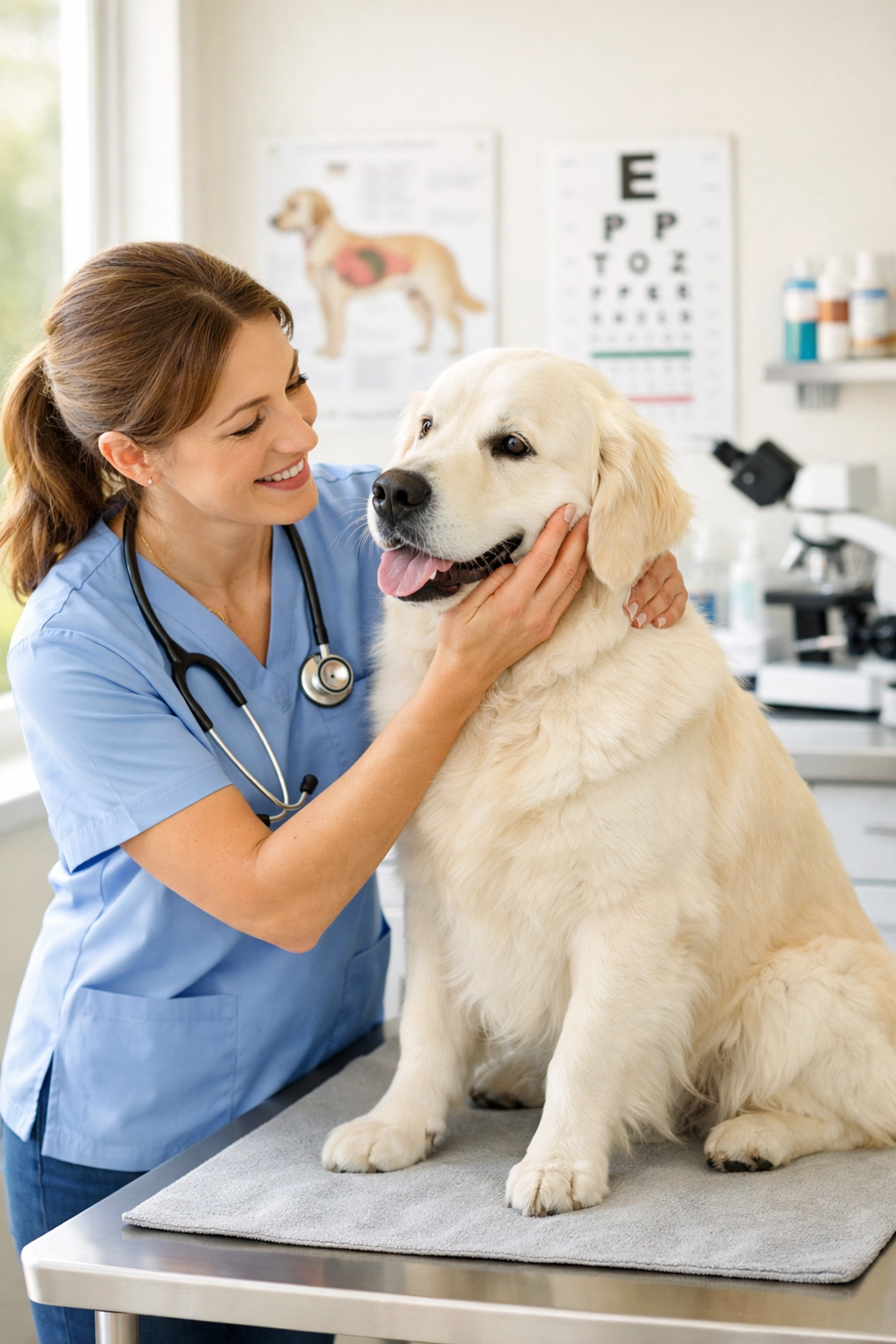
Our English Cream Golden Retriever lines have been carefully selected over generations for these exact traits. The lighter coat color often associated with European bloodlines tends to come alongside calmer, more gentle temperaments: though of course, individual variation exists. This is why meeting the parents and understanding their genetic background is so valuable when you're looking for a therapy dog prospect.
The Training Advantage of Good Genetics
Here's something that might surprise you: research suggests that emotional sensitivity in dogs: that genetic predisposition toward empathy: actually underlies their ability to learn and respond appropriately in therapeutic settings. The ROMO1 gene connection between trainability and emotional awareness means that dogs bred for gentle temperaments aren't just calmer; they're often easier to train for complex therapy work.
Think about what a therapy dog needs to do. They must learn to navigate wheelchairs, tolerate medical equipment, remain composed during emotional outbursts, and differentiate between appropriate and inappropriate times to engage. These are sophisticated skills that require both intelligence and emotional regulation. Dogs with the right genetic foundation can acquire these abilities more readily and perform them more reliably under stress.
This is why working with therapy dog breeders in Oregon who understand the science of temperament genetics can make such a difference in your journey. Starting with a puppy whose parents were selected specifically for these traits doesn't guarantee success, but it dramatically improves your odds.
A Partnership Written in DNA
The research revealing shared genetic pathways between dogs and humans offers a beautiful explanation for something we've always felt intuitively: our Golden Retrievers aren't just pets; they're partners whose emotional lives mirror our own in profound ways. They don't just respond to our moods through learned behavior: they're experiencing emotional states influenced by the same genetic mechanisms that shape human empathy and sensitivity.

For those of us breeding and raising genetic tested Golden Retriever puppies for therapeutic purposes, this knowledge transforms our approach. We're not just matching dogs together based on appearance or even just health clearances. We're thoughtfully considering the genetic legacy of temperament traits that will shape not only our puppies' lives but also the lives of the people they'll eventually serve.
Whether you're looking for an emotional support animal, planning to train a therapy dog, or simply want a family companion with that trademark Golden gentleness, genetics matter. The serenity you see in an exceptional therapy Golden: that calm, knowing presence: is the result of careful breeding decisions made with science and compassion in mind.
If you're searching for an English Cream Golden Retriever in Oregon with a temperament suited for therapy work, I encourage you to ask breeders about their selection criteria. Do they conduct temperament testing on breeding dogs? What genetic health tests do they perform? Can they show you the calm, intuitive qualities in the parents? These questions will help you find a puppy with not just a healthy body, but a gentle soul written into their very DNA.
References