
Early Socialization: The Science Behind Raising the Perfect Therapy Dog
- Green Acres K-9 Resort
- Feb 9
- 5 min read

As someone who's dedicated years to raising therapy-quality Golden Retrievers here in Oregon, I can tell you that the secret to an exceptional therapy dog isn't just genetics or training: it's what happens in those crucial first weeks of life. The science is clear: early socialization and Bio Sensor training create neurological changes that last a lifetime.
If you're searching for socialized Golden Retriever puppies in Oregon or considering a career in therapy dog work, understanding this critical developmental window will help you recognize what truly sets exceptional breeders apart.
The Neurological Foundation: Why Timing Matters
Here's what fascinates me about puppy development: there's a narrow window between 3 and 16 weeks when a puppy's brain is uniquely receptive to new experiences. Think of it as a "software installation period" for your dog's operating system. Miss this window, and you're trying to install programs on a system that's already locked down.
The most critical period spans from 4 to 14 weeks old. During this time, proper socialization acts as a form of neurological inoculation: protecting puppies from developing fear-based reactivity later in life, just as vaccines protect against physical illness[4]. At NextGen Goldens, we don't just understand this science; we've built our entire breeding program around it.
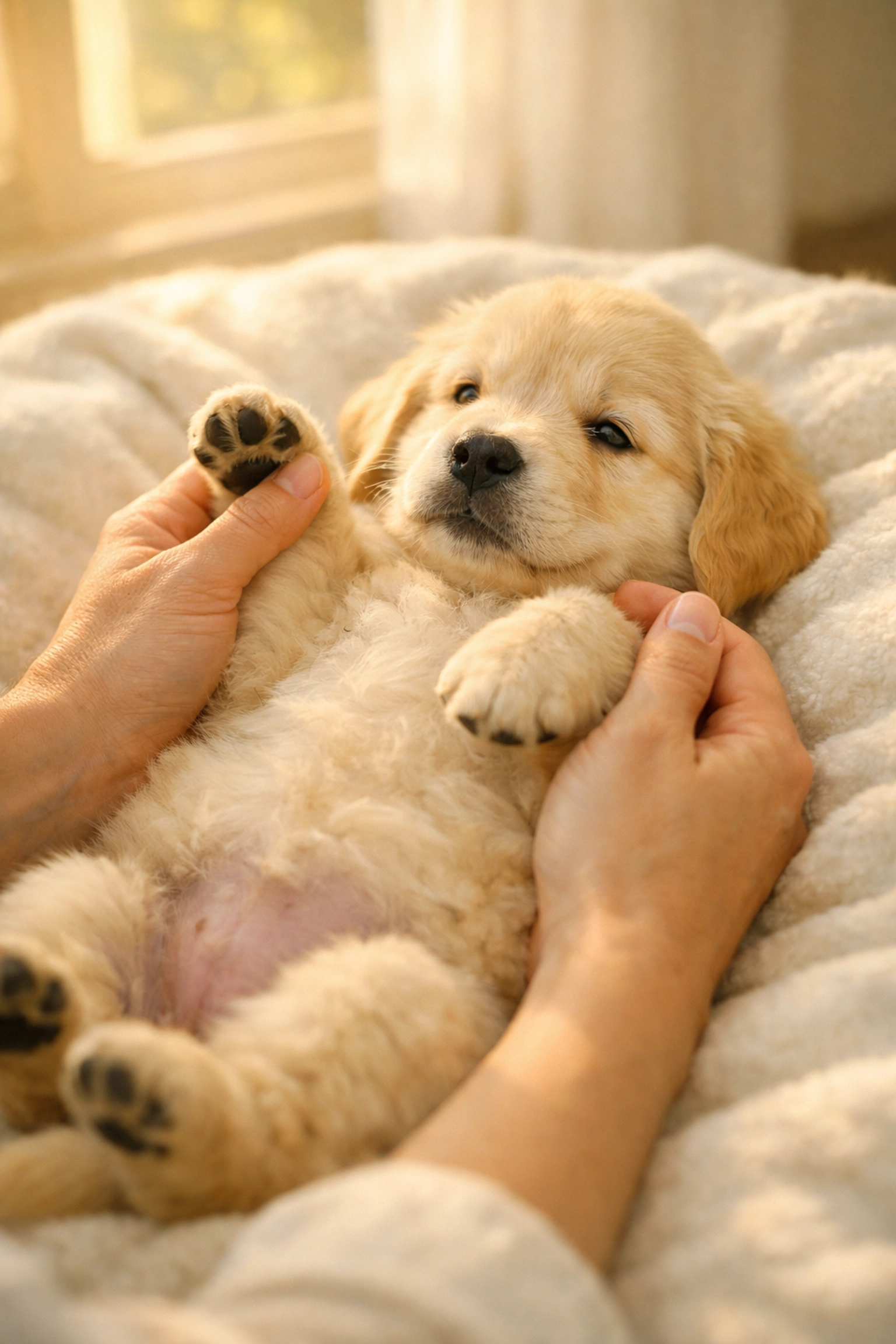
Research shows that puppies who receive early handling from birth to five weeks demonstrate increased confidence, enhanced brain development, and superior stress tolerance throughout their lives[4]. This isn't just behavioral training: we're literally shaping how the puppy's nervous system develops and responds to the world.
Bio Sensor Training: The NextGen Difference
One of the most powerful tools we use at NextGen Goldens is Bio Sensor training, also known as Early Neurological Stimulation (ENS). This research-backed protocol was originally developed by the U.S. military to create superior working dogs, and the results are remarkable.
Bio Sensor training involves five specific exercises performed daily from days 3 through 16 of a puppy's life:
Tactical stimulation (gentle touch between toes)
Head held erect
Head pointed down
Supine position
Thermal stimulation
These brief, controlled stressors: lasting just 3-5 seconds each: activate the puppy's neurological system in ways that produce lifelong benefits. Studies have shown that ENS-trained puppies display improved cardiovascular performance, stronger heartbeats, more robust adrenal glands, and increased resistance to disease[4].
For therapy dog Golden Retrievers, these advantages translate directly into calmer, more resilient dogs who can handle the unpredictable environments they'll encounter in hospitals, schools, and care facilities.
Building Trust: The Emotional Foundation
While the science of early stimulation is crucial, I've learned that trust is equally important for developing exceptional therapy dogs[2]. A therapy dog needs to be confident not just with their primary handler, but with all types of people in all situations.
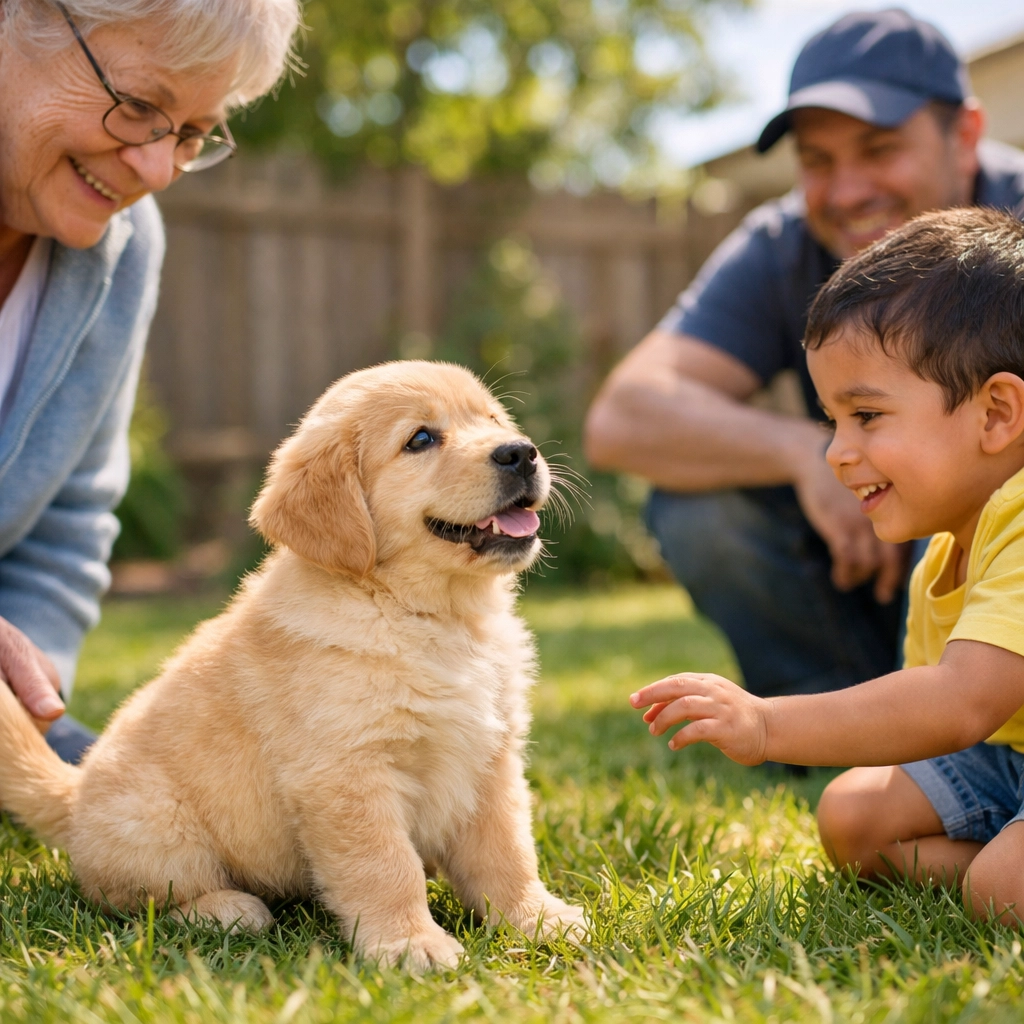
At NextGen Goldens, we ensure puppies interact with different family members and visitors daily. This teaches them that positive experiences happen regardless of who's handling them: a critical lesson for dogs who will work with various clients and handlers[2]. We create joyful experiences around new people, sounds, and environments, always keeping the puppy's comfort level in mind.
Trust-building isn't about pushing puppies into scary situations. It's about gradual, positive exposure that allows them to discover that the world is a safe, interesting place. When puppies learn this fundamental lesson during their critical socialization period, they carry that confidence throughout their lives.
The Science of Diverse Exposure
One of the most powerful aspects of early socialization is exposure to human diversity. Our Golden Retriever puppies in Oregon meet people of different ages, genders, ethnicities, and appearances during their time with us. They encounter people wearing hats, glasses, uniforms, and using mobility devices[1][2].
Why does this matter? Puppies who don't see diversity during their critical socialization window may develop fear or uncertainty around unfamiliar-looking people later. For a therapy dog working in a hospital or nursing home, this simply isn't acceptable.
We also focus on environmental variety. Our puppies experience:
Different flooring surfaces (tile, carpet, grass, gravel)
Various sounds (vacuum cleaners, doorbells, traffic, children playing)
Multiple locations (car rides, outdoor spaces, indoor environments)
Controlled interactions with healthy, vaccinated dogs
Each new experience is paired with positive reinforcement: treats, praise, and play: teaching puppies that novelty is rewarding rather than threatening[6].
Practical Socialization: What We Do at NextGen Goldens
I often get asked what separates therapy dog breeders in Oregon from standard puppy mills or backyard breeders. The answer lies in our commitment to evidence-based practices throughout the socialization period.
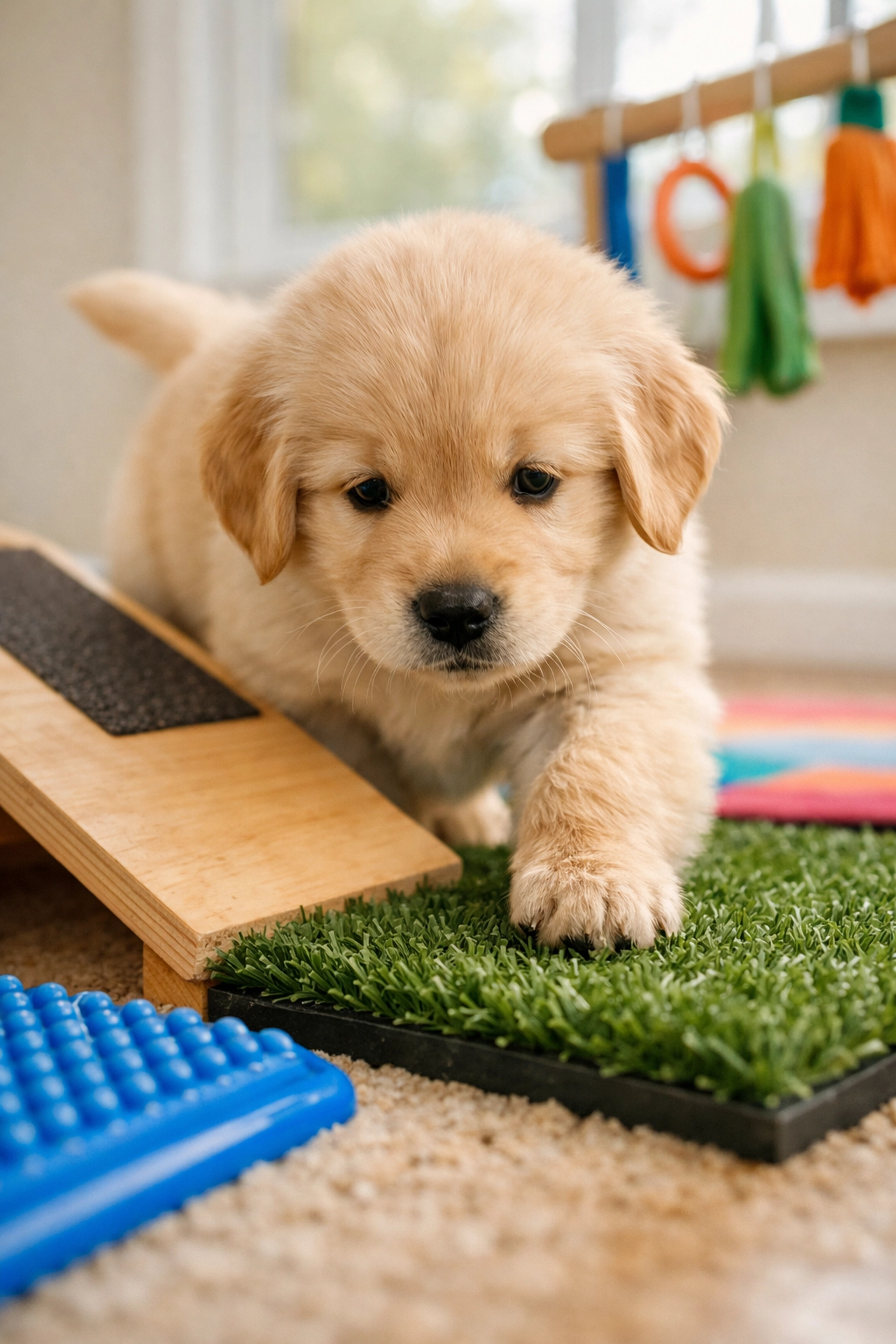
Beyond Bio Sensor training, we implement structured socialization protocols that include:
Puppy Enrichment Activities: Beginning at 3 weeks, our puppies encounter age-appropriate toys, obstacles, and play structures that challenge them physically and mentally. This builds problem-solving skills and confidence.
Sound Desensitization: We gradually introduce household noises, outdoor sounds, and even recordings of babies crying or medical equipment beeping: sounds therapy dogs must handle calmly.
Handling Exercises: Every puppy receives daily gentle handling that mimics what they'll experience during veterinary exams, grooming, and therapy work. This includes touching paws, ears, mouths, and practicing gentle restraint.
Positive Stranger Interactions: Carefully screened visitors provide treats and gentle interaction, teaching puppies that new people are sources of good things.
These aren't random activities: they're scientifically designed to create neural pathways that support calm, confident behavior in adult dogs.
Why This Matters for Emotional Support Golden Retrievers
The neurological benefits of early socialization are particularly important for emotional support Golden Retrievers and therapy dogs. These working dogs face unique demands: they must remain calm in chaotic environments, provide comfort to distressed individuals, and maintain focus despite distractions.
Research clearly demonstrates that dogs who receive proper early socialization show significantly lower rates of fear-based reactivity and anxiety[4]. They're better equipped to handle novel situations without stress, making them ideal candidates for therapy work.
At NextGen Goldens, we've seen firsthand how puppies who receive comprehensive early socialization transition smoothly into therapy dog training programs. They're confident during their Canine Good Citizen testing at six months, and they excel in the more advanced therapy dog certification that follows[1].
The Lifelong Impact
Here's what really excites me about this work: the benefits of early socialization and Bio Sensor training aren't temporary: they're permanent. We're not just preparing puppies for their first few months in their new homes; we're setting the neurological foundation for their entire lives.
When you bring home a properly socialized Golden Retriever puppy from NextGen Goldens, you're getting a dog whose brain has been optimally prepared for learning, bonding, and service. You're getting months of specialized care and scientific protocols that most breeders don't even know exist.
Whether you're looking for a family companion or a future therapy dog, this early investment in socialization makes all the difference. It's the reason our therapy dog puppies consistently excel in their roles, bringing comfort and joy to countless people throughout the Pacific Northwest.
The science is clear: proper early socialization and Bio Sensor training create better dogs. At NextGen Goldens, we're committed to giving every puppy the best possible start in life: because they deserve nothing less, and neither do the families and communities they'll serve.
Bibliography
[1] American Kennel Club. "Puppy Socialization: Why, When, and How to Do It Right." AKC.org.
[2] Battersea Dogs & Cats Home. "The Importance of Socialisation for Therapy Dogs." Battersea.org.uk.
[4] PetMD Editorial. "Puppy Socialization: What It Is and How to Do It." PetMD.com.
[6] VCA Animal Hospitals. "Puppy Behavior and Training - Socialization and Fear Prevention." VCA Hospitals.
Carmen Battaglia. "Early Neurological Stimulation." American Kennel Club Breeding Program Research.
Looking for socialized Golden Retriever puppies in Oregon? Visit NextGen Goldens to learn more about our breeding program and available puppies.