The Science of Puppy Nap Time: Why Sleep is a Superpower for Learning
- Green Acres K-9 Resort
- May 17
- 5 min read
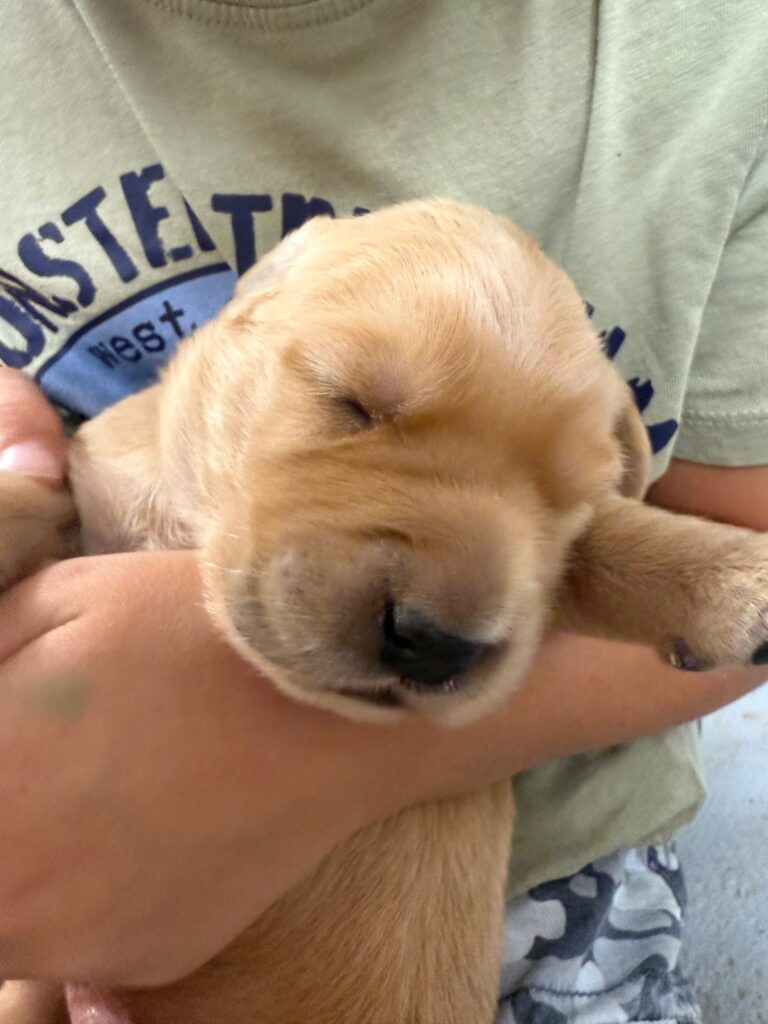
There is nothing quite like the sight of a Golden Retriever puppy fast asleep. Their little paws twitch, they let out tiny "muff" barks, and their belly rises and falls in a rhythm that could melt even the coldest heart. As a part of the Green Acres Nextgen family, I spend a lot of my time observing these moments, and I’ve learned something critical: those naps aren't just cute. They are a physiological necessity.
If you’ve recently brought home one of our healthy Golden Retriever puppies in Oregon, you’ve likely noticed the "Puppy Paradox." One minute, your pup is a furry whirlwind of energy, and the next, they’ve collapsed into a deep slumber right in the middle of the kitchen floor. It’s tempting to think of this as "downtime," but for a developing brain, sleep is where the most intense work happens.
In fact, sleep is a literal superpower when it comes to learning, behavior, and the gentle Golden Retriever temperament we all love.
The Architecture of a Puppy’s Brain: REM vs. Non-REM Sleep
To understand why your puppy needs so much rest, we have to look under the hood, or rather, inside the skull. Just like humans, puppies cycle through different stages of sleep: Non-Rapid Eye Movement (Non-REM) and Rapid Eye Movement (REM).
Non-REM: The Body’s Repair Shop
During the deeper stages of Non-REM sleep, your puppy’s body is in "maintenance mode." This is when growth hormones are released, fueling the rapid physical development of those big paws and sturdy bones. It’s also when the immune system strengthens itself. If you want your pup to grow into a strong, healthy adult, they need this uninterrupted deep sleep.
REM: The Mental Filing Cabinet
This is where the magic happens for training. REM sleep is the stage where the brain is incredibly active, even though the body is still. You’ll see the whiskers twitch and the eyes move behind closed lids. During REM, the puppy’s brain is performing "memory consolidation."
Think of it like a librarian filing away all the books scattered during the day. Every "sit," every new person met, and every "leave it" command is processed during REM. The brain strengthens the neural pathways associated with these new skills while pruning away the "noise." Without enough REM sleep, your puppy literally cannot "save" the lessons you taught them earlier that afternoon.

Why a Rested Puppy is a Genius Puppy
I’ve seen it happen dozens of times: a family is struggling with training a therapy dog or teaching basic house manners. They feel like the puppy is "stubborn" or "slow." Often, the culprit isn't a lack of intelligence; it’s a lack of sleep.
When a puppy is well-rested, their "learning window" is wide open. They have better impulse control, a higher frustration tolerance, and a much longer attention span. This is especially vital if you are looking into therapy dog training, where emotional stability and focus are key requirements.
A sleep-deprived puppy, on the other hand, is much like a cranky toddler. They become "mouthy," they lose the ability to listen to cues they previously knew, and they often descend into the "zoomies", that frantic, over-aroused state that usually signals a total brain meltdown. If your puppy is biting more than usual or acting wild, they probably don't need more exercise; they need a nap!
The 18-20 Hour Rule: Yes, Really!
For a 2-4 month old Golden Retriever, the recommended amount of sleep is a staggering 18 to 20 hours per day.
I know what you’re thinking: "When do we actually play?" When you factor in potty breaks, meals, and short training sessions, that only leaves about 4 to 6 hours of "awake" time. This is a shock to many new owners, but it is the cornerstone of Golden Retriever puppy care.
At Green Acres Nextgen, we focus on science-based breeding to ensure our dogs have the best possible start, but how they are raised in their new homes completes the picture. Respecting those 18-20 hours is the best way to support the incredible brain growth happening during those first few months.
A Typical "Awake Window"
A good rule of thumb for a young pup is the 1 hour out, 2 hours in rule.
1 Hour Awake: Potty, eat, 5-10 minutes of training, a little play, and some calm bonding.
2 Hours Asleep: A dedicated nap in a quiet spot.

Creating the Ultimate Puppy Sanctuary
Since sleep is so critical for their development, we can't just leave it to chance. Puppies are naturally curious and don't want to miss out on the fun (F.O.M.O. is very real for Goldens!). You have to be the one to enforce the rest.
Here are my top tips for creating a restful environment that supports brain development:
The Den Factor: Use a crate or a puppy-safe pen in a low-traffic area. While it’s tempting to have the puppy nap at your feet while you watch TV, the constant noise can prevent them from reaching those deep REM cycles.
White Noise is Your Friend: A fan or a white noise machine can drown out the sound of the doorbell or the kids playing in the next room. This helps the puppy stay in a deep sleep longer.
Temperature Control: Golden Retrievers have thick coats and can overheat easily. Ensure their sleeping area is cool. A cold tile floor or a cooling mat can be heaven for a fluffy pup.
The "Post-Training" Nap: Try to schedule a nap immediately after a training session. Science shows that sleep within a few hours of learning significantly boosts memory retention. If you're working on boosting focus for therapy work, the "train then nap" routine is your best friend.
Don’t Disturb the Artist: Make it a house rule: when the puppy is in their bed, no one touches them. This builds a sense of security, knowing that their "den" is a place where they are safe and won't be startled.
Signs Your Puppy is Overtired
Learning to read your puppy’s body language is a huge part of being a great pet parent. Look for these "I need a nap" signals:
Increased Biting: If they suddenly start nipping at your heels or hands with more intensity.
The "Vulture" Look: Wide, bloodshot eyes or a frantic look in their gaze.
Ignoring Cues: If they usually know "Sit" but are suddenly staring through you, their brain is full.
Excessive Sniffing: Random, frantic sniffing that doesn't lead to anything.
When you see these signs, calmly guide them to their nap spot. Avoid making it a punishment; simply make it a quiet transition to their "bedroom."

Final Thoughts from Green Acres Nextgen
Raising a puppy is a marathon, not a sprint. By prioritizing sleep, you aren't just getting a few hours of peace: you are actively building a smarter, calmer, and more emotionally stable dog. Whether you are aiming for a world-class therapy dog or just a wonderful family companion, the "nap superpower" is the most effective tool in your kit.
If you’re curious about more ways to support your puppy's growth, check out our guide on the critical socialization window or browse our recommended supplies to make nap time even dreamier.
Sweet dreams to you and your pup!
Bibliography & References
Walker, M. (2017). Why We Sleep: Unlocking the Power of Sleep and Dreams. Scribner.
Stickgold, R., & Walker, M. P. (2005). Memory consolidation and sleep: transitioning through the sleep cycle. Learning & Memory.
Tiffani, J. H., et al. (2012). Sleep and learning in dogs: The effect of post-learning sleep on memory. Applied Animal Behaviour Science.
The American Kennel Club (AKC). (2023). How Much Do Puppies Sleep?
Green Acres Nextgen Internal Research on English Cream Golden Retriever Development (2024-2026).